Building Employer Trust: The Core Elements of Verifiable Digital Credentials

In a world inundated with digital claims, true trust in a credential hinges on one critical factor: verifiable authenticity.
Organizations today face a growing challenge: ensuring the credentials they issue are genuinely recognized and trusted, not just by recipients, but by employers and professional bodies alike. This article explores the foundational elements that build employer confidence in digital certificates, focusing on practical verification methods and the essential role of tamper-evident technology. We will delve into why a straightforward, reliable verification process is paramount for establishing credibility in the modern professional landscape.
Key Insights
- Employer trust favors established institutions. Colleges, universities, and recognized educational bodies generally hold the highest perceived value for credential quality among employers.
- Verification platforms boost confidence. Even for credentials from lesser-known providers, robust digital verification systems significantly enhance employer trust.
- Credibility stems from core components. Beyond mere aesthetics, a credential's trustworthiness is built on the clear identity of the issuer, solid evidence of achievement, and enduring, stable identifiers.
- Secure credentials protect key relationships. Effective digital credentials maintain a "trust triangle" between the issuer, the holder, and the verifier through unique IDs and live verification.
- Instant verification is non-negotiable. Employers seek public verification pages that allow instant checks of status, recipient, issuer, and dates without requiring logins.

The Foundation of Employer Confidence in Digital Credentials
In the competitive landscape of professional development and hiring, the value of a credential extends far beyond its decorative appeal. For employers, the critical question isn't just what a certificate states, but how reliably that statement can be confirmed. This need for reliable verification underpins the entire ecosystem of digital credentials, influencing everything from hiring decisions to career progression. Training companies, universities, HR departments, and consulting firms all share a common goal: to issue credentials that resonate with authority and inspire trust.
The perception of quality and value in credentials often starts with the issuing body. For many employers, institutions like colleges and universities inherently carry a higher degree of perceived quality. This is due to their established academic rigor, comprehensive curricula, and long-standing reputations. While professional associations and online platforms play an increasingly vital role in upskilling and reskilling the workforce, the foundational trust in traditional educational entities remains strong. This doesn't mean other providers cannot achieve similar levels of trust; it simply highlights the importance of bolstering their credentials with unimpeachable verification mechanisms.
The challenge for any issuer, regardless of their institutional standing, is to translate their reputation into a digital format that maintains its integrity and provokes confidence. A digital certificate must, therefore, be more than just a digital image. It needs to be a verifiable assertion of achievement, backed by a system that leaves no room for doubt or manipulation. This is where the technical underpinnings of digital credentialing become crucial. Without a clear, accessible, and tamper-evident method for verification, even the most prestigious certificate can lose its luster in the eyes of a discerning employer.
Understanding the "Trust Triangle" in Digital Credentialing
Every secure digital credential operates within what is often called the "trust triangle." This concept illustrates the three fundamental relationships that must be protected and verified for a credential to be truly trustworthy. These relationships are between the issuer, the holder, and the verifier. Each party plays a distinct role, and the integrity of the credential relies on the secure connection between them.
The issuer is the organization or individual that grants the credential. This could be a university awarding a degree, a training company certifying a new skill, or an HR department recognizing an internal achievement. The issuer's credibility is the starting point for trust. Their identity must be clear, and their authority to issue the credential unquestionable. A robust digital credentialing system ensures that the issuer's identity is intrinsically linked to the certificate itself, making it impossible for someone else to falsely claim issuance.
The holder is the individual who has earned the credential. This person receives the certificate and presents it as evidence of their knowledge, skills, or achievement. For the holder, the credential is a portable asset that represents their investment in education or training. They need to be confident that their credential accurately reflects their accomplishment and that they can share it easily and securely with others.
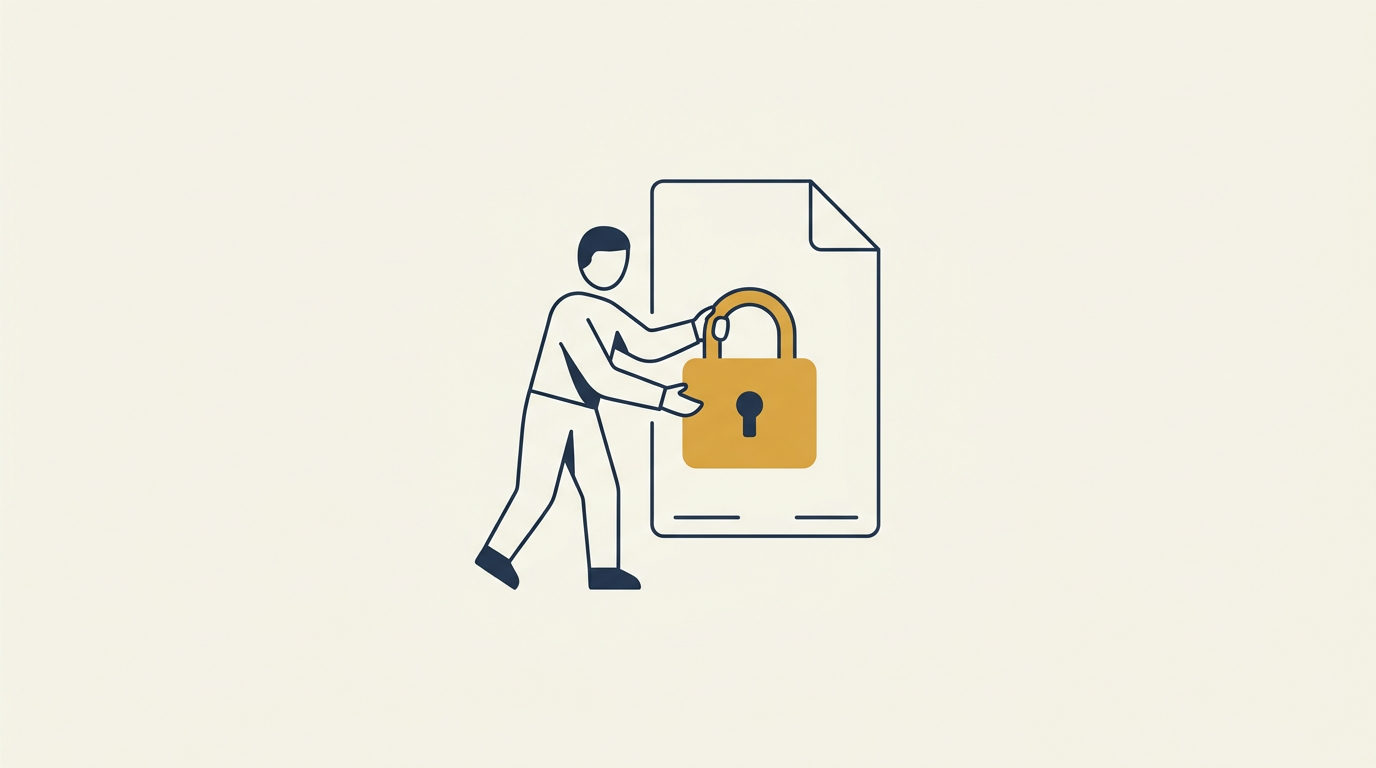
A truly trustworthy digital credential securely connects the issuer, the holder, and the verifier, ensuring authenticity and protecting against misrepresentation.
The verifier is any party seeking to confirm the authenticity and validity of the credential. This is most commonly an employer, but it could also be an academic institution for further study, a professional licensing body, or even a client assessing a consultant's expertise. The verifier's need is paramount: they require a simple, immediate, and unambiguous way to confirm that the credential is real, current, and genuinely belongs to the person presenting it. Without this straightforward verification, the entire system breaks down, and the credential loses its practical value. This is why features like unique identifiers, live verification capabilities, and clear status indicators (like valid or revoked) are not merely technical niceties, but essential components of a trustworthy system.
The Pillars of Credibility: Issuer, Evidence, and Stable Identifiers
Trust in a digital credential doesn't emerge from a visually appealing badge or a well-designed PDF document alone. It is built on more fundamental principles, often summarized by three core pillars: issuer identity, evidence and criteria, and stable identifiers. These elements combine to create a comprehensive framework for credibility that employers can rely on.
Firstly, issuer identity is foundational. Employers need to know precisely who issued the credential. This goes beyond a logo; it involves a clear, verifiable link to the organization responsible for the training or assessment. When an employer sees a certificate, they instinctively ask, "Who stands behind this?" A strong digital credentialing system makes this attribution unmistakable. It embeds the issuer's identity in a way that is verifiable and resistant to impersonation. This is especially important for training providers and consulting firms who issue specialized certifications. Their brand and reputation are directly tied to the authenticity of the credentials they issue.
Secondly, evidence and criteria refer to the substance behind the credential. What did the recipient actually do to earn this certificate? What skills did they demonstrate? What knowledge did they acquire? While the certificate itself is the proof, the underlying system should implicitly or explicitly confirm that specific criteria were met. For a verifier, understanding that the credential represents a defined set of competencies or completion of a rigorous program adds significant weight. This is where the context provided by the issuer, whether through the certificate details or an associated public page, becomes important.
Finally, stable identifiers are crucial for long-term trust and verifiability. Each credential needs a unique, persistent identifier that allows it to be tracked and verified over time. This isn't just about a serial number; it's about a permanent digital fingerprint that links back to the original issuance record. This stable identifier ensures that even if a certificate is downloaded, printed, or shared across various platforms, its authenticity can always be traced back to its source. It prevents duplication or alteration from going undetected, providing a crucial layer of security. This is particularly relevant for HR and L&D teams managing internal certifications or professional development records that need to withstand the test of time and various audits.
Why Tamper-Evident Verification is Essential
In the digital age, a primary concern for any credential is its resistance to tampering. A certificate is only as good as its integrity. If it can be easily altered or forged, its value diminishes to zero. This is where tamper-evident verification becomes not just a desirable feature, but an absolute necessity for building employer trust. Tamper-evidence means that any unauthorized modification to a certificate can be immediately detected, providing an undeniable assurance of its original state.
The core of tamper-evident verification often lies in cryptographic signatures. This advanced technology allows for the digital "signing" of a certificate's core details. Think of it like a digital seal that, if broken, immediately signals that the document has been compromised. When a certificate is issued, its essential data is signed with a unique cryptographic key. This creates a secure link between the certificate's content and the issuer. If even a single character in the certificate's data is changed – a name, a date, or a course title – the cryptographic signature will no longer match, instantly revealing the alteration. This mechanism provides a powerful deterrent against fraud and gives verifiers confidence that they are looking at the original, unaltered document.
For employers, this means they don't have to guess if a certificate is real. They can be absolutely certain. When they access a public verification page, the system performs a database-backed lookup alongside a signature check. This dual-layer verification process confirms two things: first, that the certificate exists in the issuer’s official records, and second, that its content has not been tampered with since issuance. This level of assurance is critical for high-stakes decisions like hiring, promotions, or regulatory compliance. Training companies benefit by protecting their brand reputation, knowing that their issued credentials cannot be easily falsified. Universities can uphold academic integrity, and HR teams can confidently validate professional qualifications.
This approach bypasses the need for complex, experimental credential infrastructure. It relies on proven cryptographic principles and secure database management, offering a practical, professional, and immediately useful solution for organizations that need reliable credentialing without venturing into unproven technologies.
The Simplicity of Public Verification Pages and QR Codes
For employers and verifiers, the process of checking a digital credential needs to be as straightforward and frictionless as possible. Complicated login procedures, proprietary software, or convoluted steps are barriers to trust and efficiency. This is why public verification pages and QR codes are absolutely essential components of a highly trustworthy digital credentialing system. They provide instant, universal access to verification, removing any ambiguity or delay.
Every high-quality digital certificate should come with a unique public verification page. This page acts as the definitive source of truth for that specific credential. It's not a private portal; it's an open, accessible webpage that anyone can visit to confirm the details of a certificate. On this page, employers can expect to find crucial information: the credential’s current status (e.g., valid, revoked), the recipient’s full name, the issuing organization’s name, the issue and expiry dates, and a unique credential ID. The key here is that accessing this information requires no login, no special accounts, and no subscription. It’s entirely public and transparent.
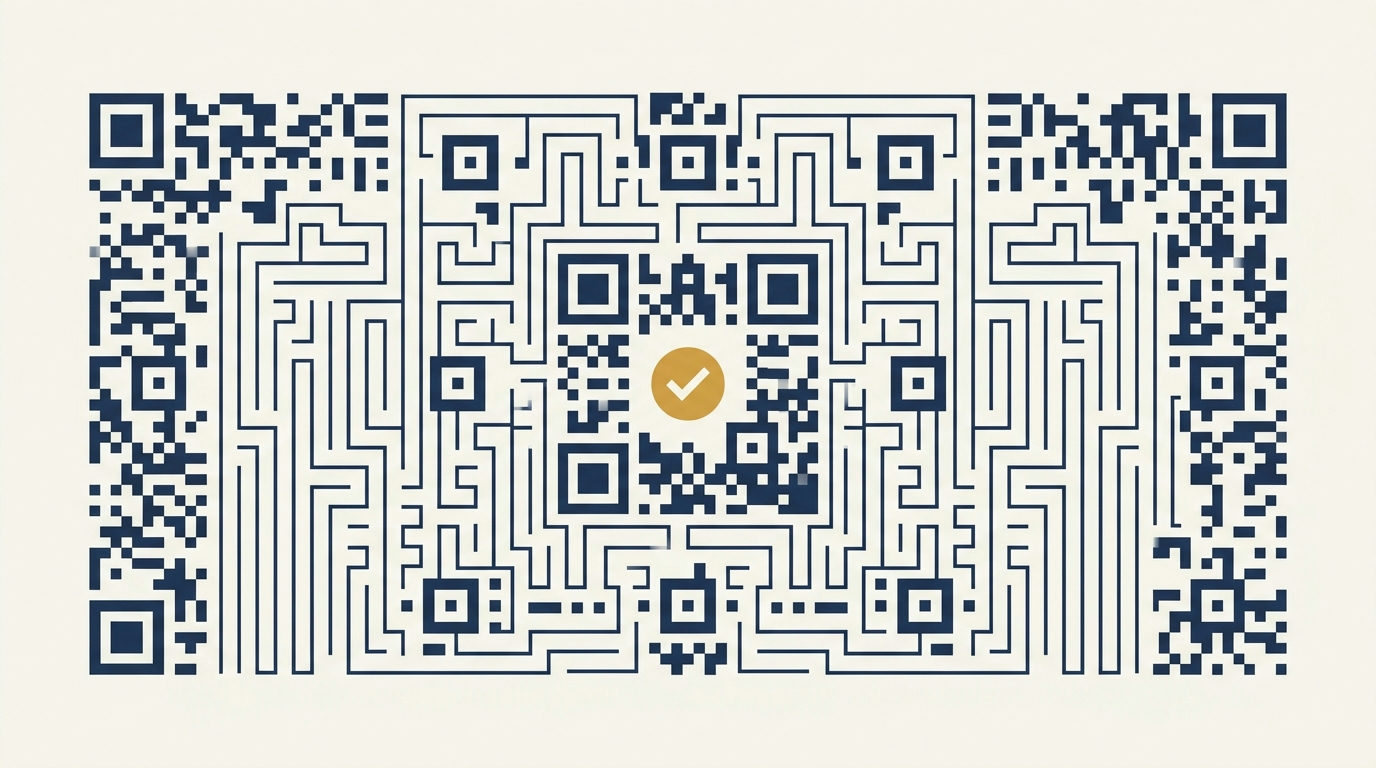
A public verification page, accessible via a unique link or QR code, offers instant, login-free confirmation of a credential's authenticity, making verification simple for any employer.
Accompanying this public page is often a QR code, typically embedded directly on the digital certificate itself or on its PDF output. This QR code serves as a quick and convenient gateway to the verification page. A verifier simply scans the QR code with their smartphone or tablet, and they are immediately directed to the certificate's unique public page. This eliminates the need to manually type in URLs or search for information, streamlining the verification process to a matter of seconds. Imagine an HR manager reviewing a stack of resumes; being able to instantly scan a QR code and confirm a qualification greatly accelerates their workflow and instills confidence.
This ease of access is a cornerstone of employer trust. When verification is effortless, employers are more likely to perform the check, and in doing so, they gain immediate assurance of the credential's authenticity. This practical approach to verification contrasts sharply with systems that might require specific software or intricate protocols, which can deter employers from even attempting to verify. For training companies, universities, and consulting firms, providing this level of simple, public verification is a powerful statement about the integrity and transparency of their credentialing process.

Data Privacy and EU-Hosting: Building Trust in a Regulated World
In today's interconnected world, data privacy is not merely a technical consideration; it is a fundamental aspect of trust and compliance, especially for organizations operating within or serving the European Union. For training companies, universities, HR departments, and conference organizers, ensuring that candidate and recipient data is handled responsibly and in accordance with stringent regulations like GDPR is paramount. This is where the choice of a digital credentialing platform with EU-native hosting and a privacy-by-design approach becomes a significant differentiator.
Hosting data within the EU means that all data storage and processing adhere to European data protection laws, including the General Data Protection Regulation (GDPR). This provides a robust legal framework that protects the personal data of certificate recipients. For organizations dealing with sensitive personal information, such as academic records or professional qualifications, this regional data residency offers a substantial layer of security and legal certainty. It assures recipients that their data is not subject to the varying data privacy laws of other jurisdictions, which can often be less protective.
Beyond mere compliance, EU data residency and GDPR-friendliness are trust signals. They communicate to both issuers and recipients that the platform prioritizes data protection, not as an afterthought, but as a core design principle. This is particularly important for educational institutions and HR teams who are entrusted with managing vast amounts of personal data. Knowing that their chosen credentialing partner is aligned with the highest standards of data privacy builds confidence and mitigates potential legal and reputational risks. It means less time spent navigating complex international data transfer agreements and more time focusing on their primary mission of education and development.
This commitment to privacy is not an optional extra; it is foundational. It ensures that the integrity of the credentials extends to the integrity of the data associated with them. For organizations that value credibility and operate in a global environment, choosing a digital credentialing solution that is explicitly designed with EU data residency and GDPR in mind simplifies compliance, enhances trust, and demonstrates a proactive approach to data stewardship.
Brand Control and Professional Output: More Than Just Aesthetics
While the underlying technology for verification and security is critical, the presentation of a digital certificate also plays a vital role in establishing credibility. For training companies, universities, and consulting firms, a certificate is often a direct extension of their brand. It represents their standards, their professionalism, and their commitment to quality. Therefore, the ability to fully customize the design and ensure professional output is essential for maintaining brand control and inspiring confidence.
A high-quality digital credentialing platform allows for extensive customization of certificate templates, themes, and layouts. This means an organization can ensure that every certificate issued perfectly aligns with their brand guidelines, including logos, colors, fonts, and specific imagery. This isn't just about making things look nice; it's about consistency and recognition. When an employer receives a certificate that clearly carries the distinctive branding of a reputable institution, it immediately reinforces the origin and authority of that credential. This consistent brand identity contributes to the perceived professionalism and trustworthiness of the issuer.
Beyond digital presentation, the ability to generate professional PDF output is equally important. While digital verification is key, recipients (and sometimes verifiers) still often require a high-quality, printable version of their certificate. This PDF should mirror the digital design perfectly, ensuring a seamless experience whether viewed on screen or in print. The quality of this PDF output reflects directly on the issuing organization's attention to detail and professionalism. A crisp, well-formatted PDF that maintains its design integrity across different devices and printers reinforces the value of the credential.
Furthermore, multi-language support is a critical feature for organizations operating in diverse or international contexts. Universities with international student bodies, global training providers, or consulting firms with multinational clients all benefit from the ability to issue certificates in various languages. This not only enhances accessibility for recipients but also demonstrates an inclusive and professional approach. It ensures that the credential is understood and valued across different linguistic backgrounds, broadening its reach and impact. Ultimately, robust brand control and professional output capabilities transform a digital certificate from a simple document into a powerful brand asset that commands respect and trust.
Streamlining Operations: Issuance and Management Efficiency
The operational efficiency of issuing and managing digital certificates is a significant factor for training companies, universities, HR teams, and event organizers. Manual processes are time-consuming, prone to errors, and scale poorly, detracting from the core mission of education or talent development. A sophisticated digital credentialing platform reduces administrative friction, allowing organizations to focus on delivering high-quality programs rather than being bogged down by paperwork.
One of the most immediate benefits is the flexibility of issuance. Whether an organization needs to issue a single certificate to an individual or hundreds or thousands in a batch, the system should handle both scenarios with ease. For instance, issuing one certificate at a time might be necessary for a specialized, high-level certification or a unique achievement. The platform should make this process intuitive, allowing for quick data entry and immediate generation.
Conversely, for large-scale training programs, university graduations, or major conferences, bulk issuance via CSV batch generation is indispensable. This feature allows an administrator to upload a spreadsheet containing recipient names, course details, and other relevant information, and with a few clicks, generate all certificates simultaneously. This drastically cuts down on administrative time and effort, eliminating the need for repetitive data entry and manual certificate creation. Imagine the resources saved by an HR department issuing compliance training certificates to an entire workforce, or a university processing thousands of diplomas at once.
This efficiency extends beyond initial issuance to the ongoing management of credentials. A centralized platform provides a single source of truth for all issued certificates, simplifying record-keeping and auditing. Administrators can easily search for, view, and manage certificates, including tracking their status and accessing verification data. This centralized control reduces the likelihood of lost records, provides clear oversight, and streamlines any inquiries or verification requests that may arise.
By automating and simplifying these core operational tasks, a digital credentialing platform frees up valuable staff time and resources. It reduces the administrative burden, minimizes human error, and ensures that the entire credentialing process is smooth, reliable, and scalable. This efficiency contributes directly to the professionalism of the issuing organization and indirectly to the perceived trustworthiness of its credentials.
Empowering Recipients: Sharing and LinkedIn Integration
For the individual who earns a digital certificate, the ability to easily share their achievement with their professional network and prospective employers is paramount. A credential that cannot be readily showcased loses much of its practical value. A truly effective digital credentialing system empowers recipients by providing intuitive sharing mechanisms, notably through their public verification page and direct integration with professional networking platforms like LinkedIn.
The public verification page, as discussed earlier, is not just for employers; it's also a powerful tool for recipients. Once they receive their certificate, they are given a unique link to this page. This link can be shared anywhere: in email signatures, on personal websites, within digital portfolios, or directly with recruiters. It provides a clean, professional presentation of their achievement, backed by instant, undeniable verification. This eliminates the need for recipients to send static, potentially outdated PDF copies, which can raise questions about authenticity. Instead, they share a live, verifiable record.
Perhaps one of the most impactful sharing features for professional development is direct integration with LinkedIn. For many professionals, LinkedIn serves as their primary online resume and networking hub. The ability to add a digital certificate directly to their LinkedIn profile with just a few clicks is a significant advantage. This integration automatically links the credential to the public verification page, allowing anyone viewing their profile to instantly confirm the achievement. This seamless process enhances the recipient's professional profile, showcases their commitment to continuous learning, and adds a layer of verified credibility to their online presence.
This ease of sharing benefits not only the recipient but also the issuing organization. When recipients proudly share their verified credentials, it amplifies the visibility and reputation of the training company, university, or HR department that issued them. It acts as organic marketing, showcasing the quality and value of their programs to a wider audience. For workshop and conference organizers, it means attendees can immediately broadcast their participation and acquired knowledge, extending the reach of the event's impact. Ultimately, by making sharing effortless and verifiable, a digital credentialing platform ensures that achievements are not just recognized but actively celebrated and leveraged in the professional world.
Conclusion
Establishing and maintaining trust in digital credentials is a multifaceted endeavor, but at its core, it boils down to verifiable authenticity and straightforward access. For training companies, universities, HR teams, and other professional organizations, the goal is to issue credentials that are not just visually appealing, but fundamentally credible in the eyes of employers and external stakeholders. This credibility is forged through a combination of clear issuer identity, tamper-evident technology, and accessible verification processes.
We have seen that employer confidence is significantly bolstered when credentials come from recognized institutions, and for all issuers, when those credentials are backed by robust, third-party verification platforms. The "trust triangle" of issuer, holder, and verifier must be securely connected, relying on stable identifiers and live verification capabilities. Crucially, any digital credentialing system must provide simple, public verification through unique links and QR codes, allowing anyone to confirm authenticity without friction or the need for proprietary software.
The practical advantages of such a system extend beyond verification. EU-native hosting and GDPR-friendliness address critical data privacy concerns, building trust through compliance and secure data stewardship. Extensive brand customization ensures that certificates are professional extensions of the issuing organization's identity, while efficient bulk issuance and management save valuable time and resources. Finally, empowering recipients to easily share their verified achievements, particularly through platforms like LinkedIn, amplifies the impact and recognition of the credential.
Choosing a digital credentialing solution that prioritizes these elements means selecting a tool that is practical, professional, and immediately useful. It means investing in infrastructure that supports your organization's reputation, streamlines your operations, and most importantly, ensures that the achievements you certify are recognized and trusted wherever they are presented. The future of professional development relies on credentials that are not just issued, but unequivocally verified.
Frequently asked questions
Continue reading

Issuing Prevention Course Certificates for Health Insurance Claims
Insurance funds routinely reject reimbursement claims over minor formatting errors. Reliable course records protect participant payouts and remove administrative rework.

Ending the Administrative Drag of Manual Certificate Checks
Manual credential checks drain staff time and delay hiring decisions. Cryptographic signatures and public validation pages remove this administrative friction entirely.

Instant Credential Verification: How Digital Certificates Ensure Authenticity
Digital certificates offer immediate, secure verification through unique links and QR codes. This ensures authenticity without needing specialized software or accounts.